
7 Things You Should Know About Your Heating Oil Tank
Understanding how your home’s heating system operates can make a meaningful difference in comfort, efficiency, and long-term maintenance. One of the most important yet often overlooked components is the heating oil tank. Whether it is located in a basement, garage, or outdoors, this tank plays a central role in keeping your home warm and functional during colder months. Knowing how it works, how to maintain it, and what to watch for can help you avoid unexpected issues and costly repairs.
Many homeowners rely on heating oil as a dependable and efficient energy source. However, without a basic understanding of the tank that stores it, small issues can go unnoticed until they become significant problems. By learning the essentials, you can take a proactive approach that protects both your home and your investment.
1. Understand Tank Capacity and Design
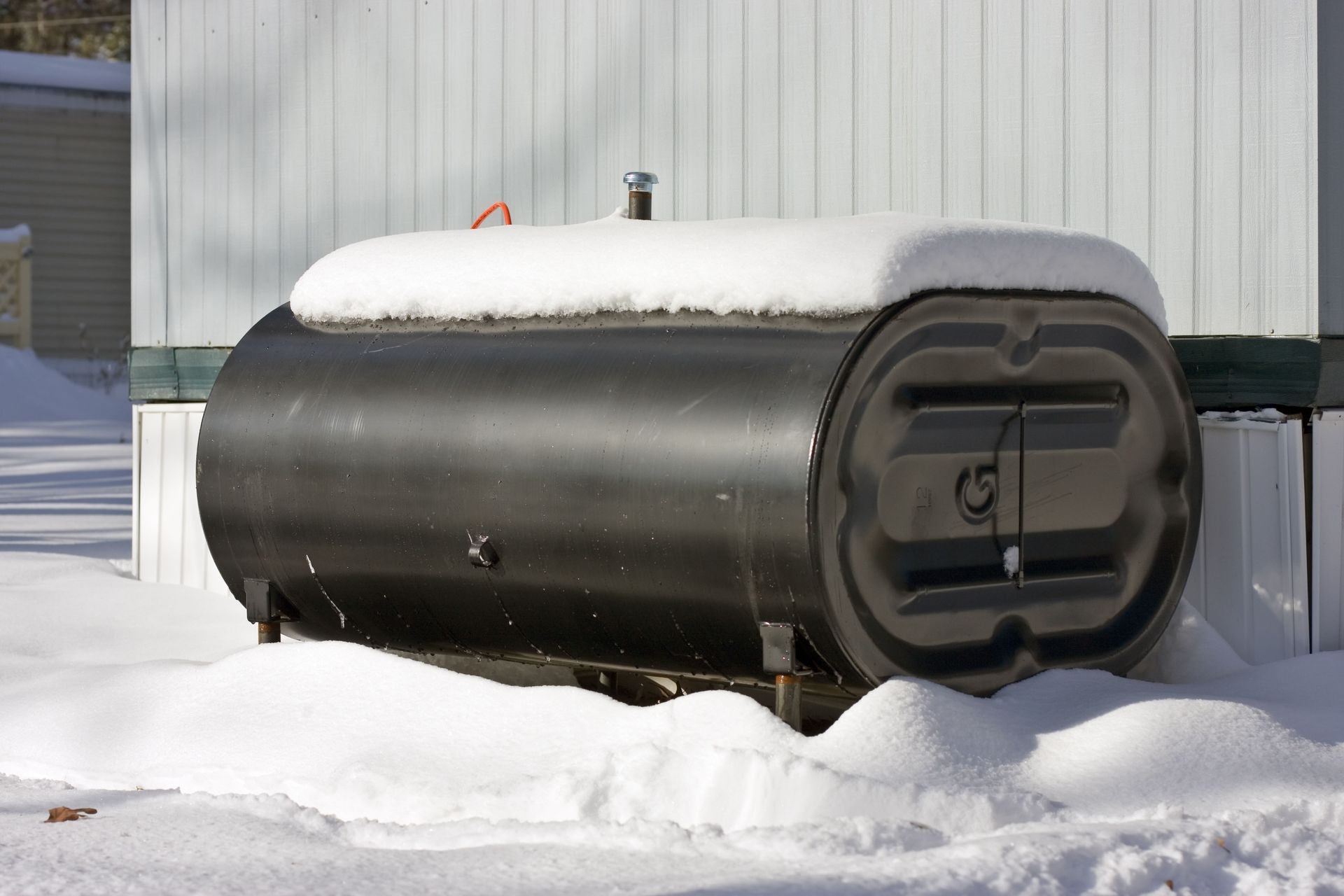
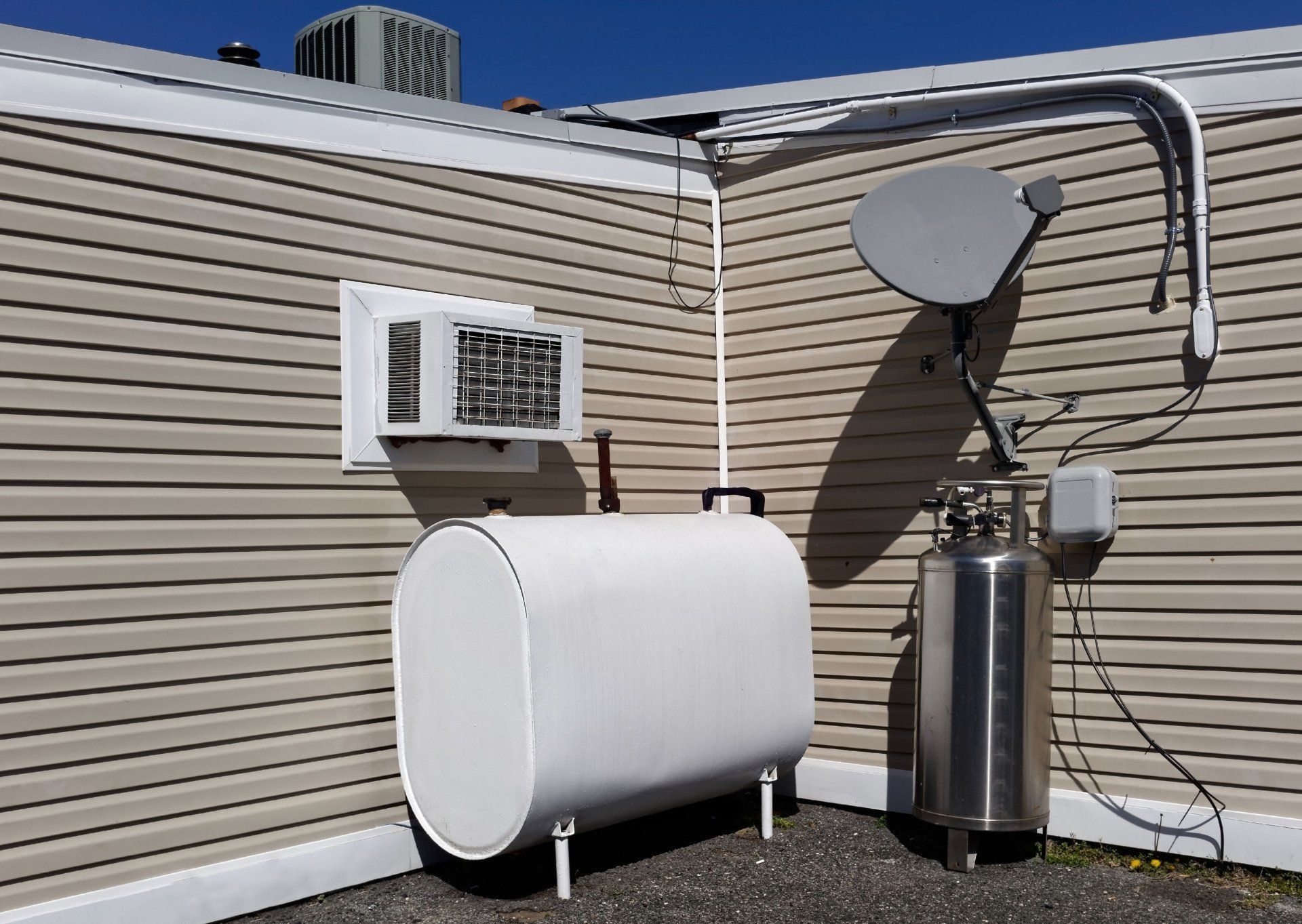
Heating oil tanks are designed with durability and practicality in mind, but not all tanks are the same. They come in various shapes, materials, and configurations depending on where they are installed and how they are used. Some are built for indoor use, while others are specifically engineered to withstand outdoor conditions.
According to the National Association of Oil Heat Service Managers, the average home heating oil tank holds about 275 gallons of oil. This capacity allows homeowners to maintain a steady supply of heating oil without requiring constant refills. Understanding your tank’s capacity helps you plan deliveries more effectively and avoid running out during critical times.
The design of your tank also impacts how efficiently it operates. Features such as protective coatings, reinforced seams, and proper venting systems all contribute to its performance. Familiarizing yourself with these elements can help you better understand how your system functions and what it needs to operate at its best.
2. Recognize Signs of Wear and Damage
Over time, even the most well-built heating oil tanks can experience wear and tear. Exposure to temperature changes, moisture, and general use can gradually affect the tank’s condition. Being able to recognize early warning signs is key to preventing more serious issues.
Common indicators of wear include rust, corrosion, dents, or visible leaks. You might also notice unusual odors or a decrease in system efficiency, which could point to underlying problems. Paying attention to these signs allows you to address concerns before they escalate into more costly repairs.
Regular visual inspections can go a long way in maintaining the integrity of your tank. Even a quick check every so often can help you spot potential issues early. Taking action promptly not only protects your system but also ensures that your supply of heating oil remains safe and reliable.
3. Maintain Proper Tank Placement and Support
The placement of your heating oil tank plays a significant role in its longevity and performance. A tank that is properly positioned and supported is less likely to experience structural stress or environmental damage. This is especially important for outdoor tanks that are exposed to the elements.
Indoor tanks should be placed on a stable, level surface that can support their weight over time. Outdoor tanks benefit from protective measures such as weather-resistant covers or barriers that shield them from harsh conditions. Proper placement also ensures that technicians can easily access the tank for maintenance and refilling.
In addition to location, the support structure beneath the tank should be inspected periodically. Any signs of shifting, cracking, or instability should be addressed immediately. A well-supported tank helps maintain the quality of your heating oil and reduces the risk of leaks or other complications.
4. Schedule Regular Inspections and Maintenance
Routine maintenance is one of the most effective ways to extend the life of your heating oil tank. Professional inspections can identify issues that may not be visible during a simple visual check. These inspections often include evaluating the tank’s structural integrity, checking for leaks, and ensuring that all components are functioning properly.
Scheduling regular service appointments helps keep your system running smoothly. During these visits, technicians can clean the tank, remove sediment buildup, and verify that all connections are secure. This proactive approach reduces the likelihood of unexpected breakdowns and improves overall efficiency.
Consistent maintenance also helps preserve the quality of your heating oil. Over time, contaminants can accumulate inside the tank, affecting performance and potentially causing damage to your heating system. Keeping the tank clean and well-maintained ensures that your fuel remains effective and reliable.
5. Monitor Fuel Levels and Usage
Keeping track of your heating oil levels is essential for maintaining a comfortable and uninterrupted home environment. Running out of fuel can lead to system shutdowns and additional maintenance requirements, which can be inconvenient and costly.
Monitoring your usage patterns allows you to anticipate when refills will be needed. Factors such as weather conditions, home size, and insulation can all influence how quickly your supply is used. By understanding these variables, you can plan deliveries more effectively and avoid last-minute emergencies.
Many homeowners find it helpful to establish a routine for checking fuel levels. Whether you do this manually or use automated monitoring systems, staying informed about your tank’s status ensures that you always have an adequate supply of heating oil when you need it most.
6. Ensure Safety and Environmental Protection
Safety should always be a top priority when dealing with heating oil tanks. Proper handling and maintenance are essential for preventing leaks, spills, and other hazards that could impact both your home and the environment.
Installing safety features such as spill containment systems and leak detection devices can provide an added layer of protection. These measures help minimize risks and ensure that any issues are addressed quickly. Additionally, following recommended guidelines for tank installation and maintenance helps reduce the likelihood of accidents.
Environmental considerations are also important. A well-maintained tank prevents oil from seeping into the surrounding area, protecting soil and groundwater. Taking a responsible approach to managing your heating oil system contributes to a safer and more sustainable home environment.
7. Plan for Tank Replacement and Upgrades
Even with proper care, heating oil tanks do not last indefinitely. Planning for eventual replacement is an important part of responsible homeownership. Knowing when to upgrade your tank can help you avoid unexpected failures and maintain consistent performance.
Newer tanks often come with improved materials and advanced features that enhance durability and efficiency. Upgrading to a modern system can provide better protection against corrosion, leaks, and other common issues. It can also improve the overall reliability of your heating system.
When considering a replacement, it is important to consult with experienced professionals who can assess your needs and recommend the best options. Taking a proactive approach ensures that your home continues to benefit from a dependable supply of heating oil without interruption.
Your heating oil tank is a vital component of your home’s heating system, and understanding how it works can make a significant difference in its performance and longevity. From recognizing signs of wear to scheduling regular maintenance, each step you take contributes to a safer and more efficient system.
By staying informed and proactive, you can avoid unexpected issues and ensure that your home remains comfortable throughout the colder seasons. A well-maintained tank not only protects your investment but also provides peace of mind knowing that your heating system is operating as it should.
At Santilli Oil Company Inc, we are committed to helping you maintain a reliable and efficient heating system. Let us support you with expert guidance and dependable service, so we can keep your home warm and running smoothly together.


Share On: