
A Comprehensive Guide to Using Heater Oil
As the cold months approach, keeping your home warm becomes a top priority. While many heating options exist, heating oil remains a reliable choice for countless households in the United States. Its ability to provide consistent warmth, combined with flexible storage and delivery, makes it a practical solution for homeowners who need dependable heat throughout the winter. Understanding how to use heater oil effectively can save money, improve efficiency, and reduce the risk of heating system problems.
Despite the growing popularity of alternative heating methods like natural gas and electric heat pumps, heating oil continues to play a crucial role in residential heating. Its energy-dense properties mean that a relatively small quantity produces substantial warmth, making it particularly useful in regions with harsh winter temperatures. Modern oil heating systems are also far more efficient than older models, providing homeowners with reliable performance while reducing overall energy consumption.
Understanding Heater Oil
Heater oil, also called fuel oil, is a petroleum-derived liquid used primarily in residential and commercial heating systems. Unlike gasoline or diesel, heating oil is refined specifically for burners, making it ideal for furnaces and boilers. Its energy density allows homes to stay warm for extended periods, even during severe cold spells, ensuring comfort in winter months. Beyond providing heat, heating oil systems are known for their durability and long lifespan, which adds value for homeowners over time.
In our experience, there are two main grades of heating oil: No. 1 and No. 2. No. 1 fuel is lighter and ideal for extremely cold climates because it flows easily and burns efficiently even at low temperatures. No. 2 fuel is the standard heating oil used in most homes; it is thicker but provides excellent heat output and is widely available. Choosing the right type depends on your furnace or boiler, climate, and storage options. Proper selection ensures optimal performance and prevents issues such as clogging, incomplete combustion, or inefficient burning, which could lead to higher heating costs and potential system damage.
Monitoring heating oil levels is also critical. Unlike natural gas or electricity, oil must be stored and refilled periodically. Running out can lead to costly service calls, as restarting a depleted furnace often requires professional assistance and additional oil. Using a reliable gauge, smart monitoring system, or regular manual checks helps maintain consistent heating throughout the winter. Planning deliveries ahead of time ensures peace of mind and uninterrupted comfort, particularly during severe weather events when demand may be high.
Storing and Handling Heater Oil Safely
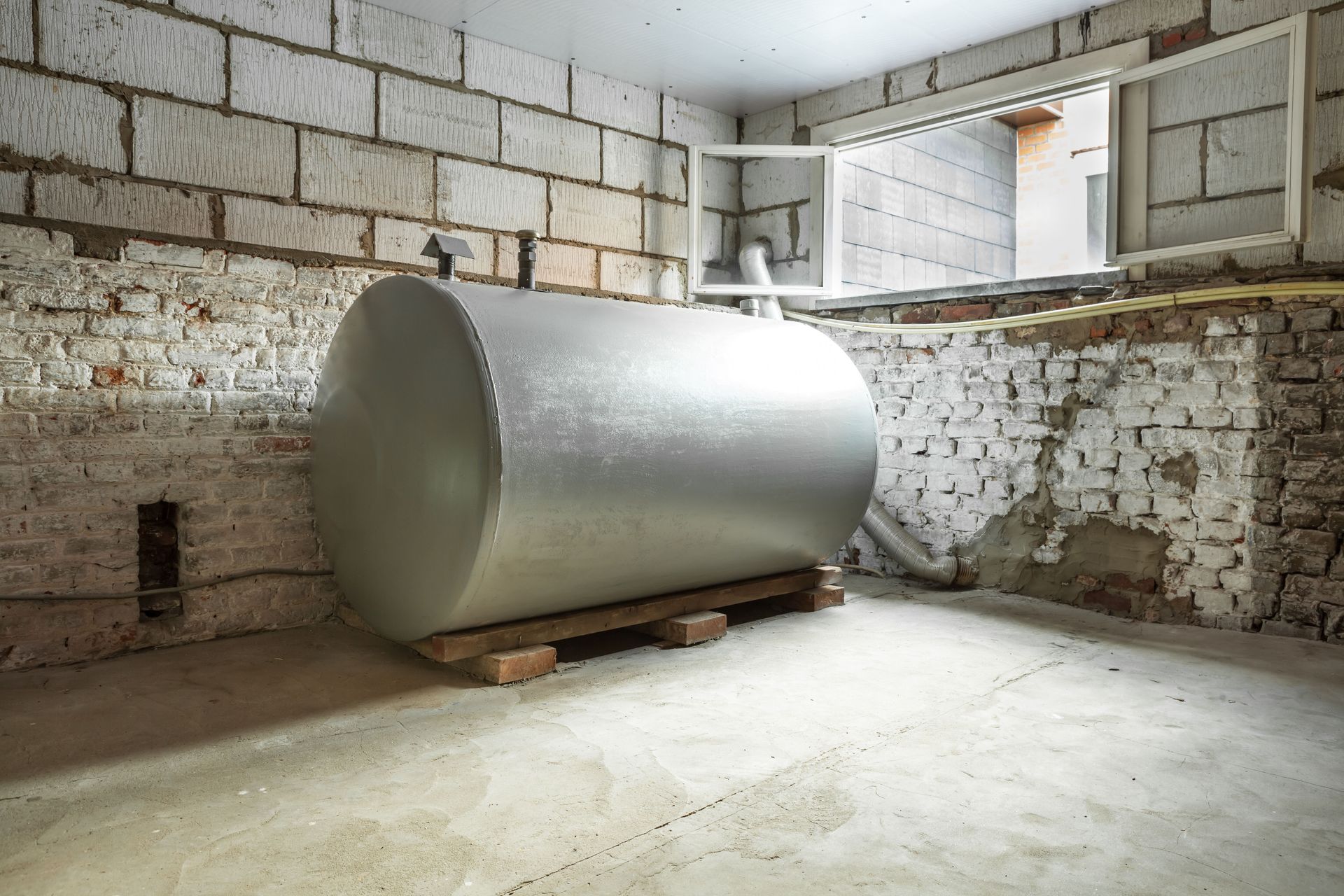
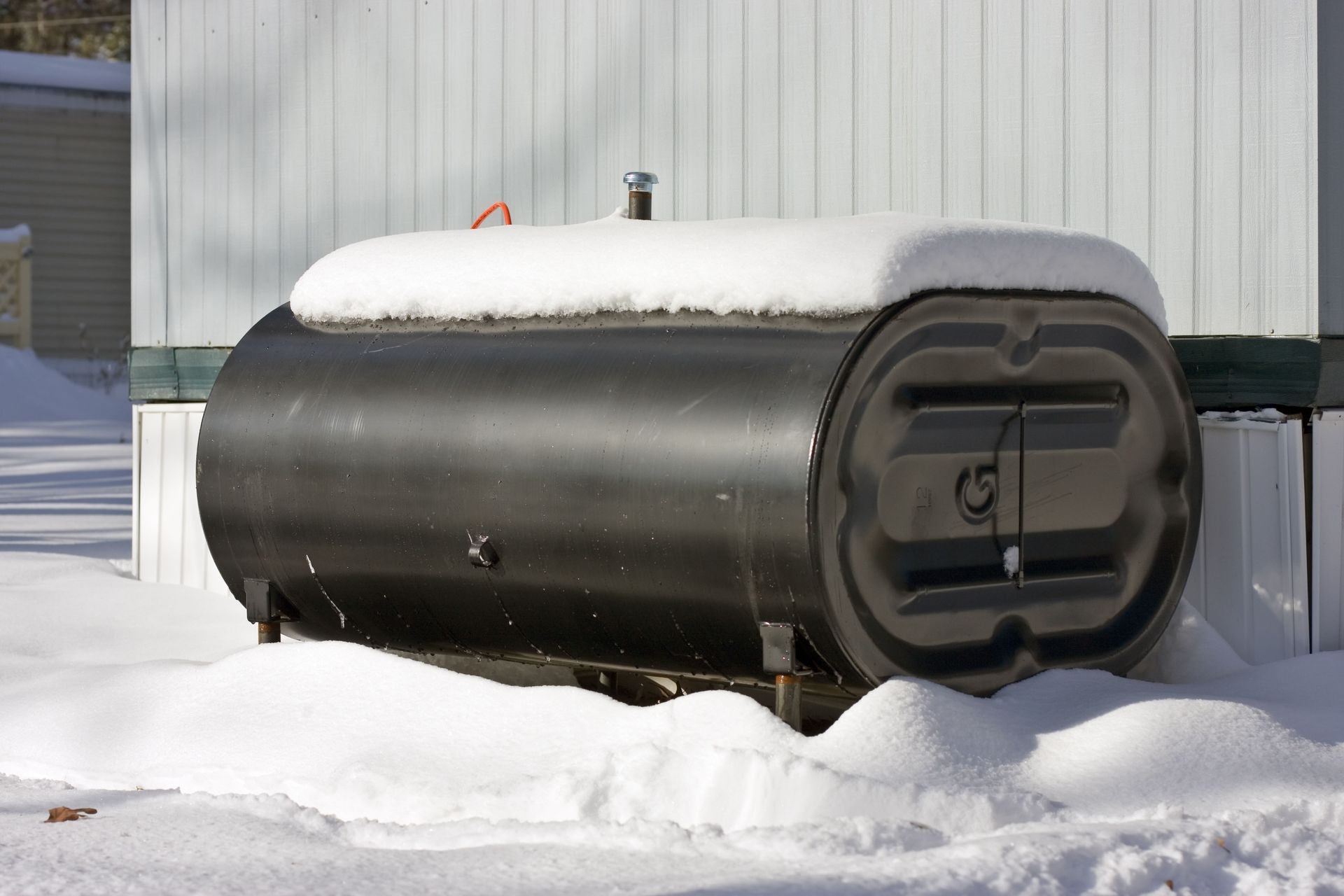
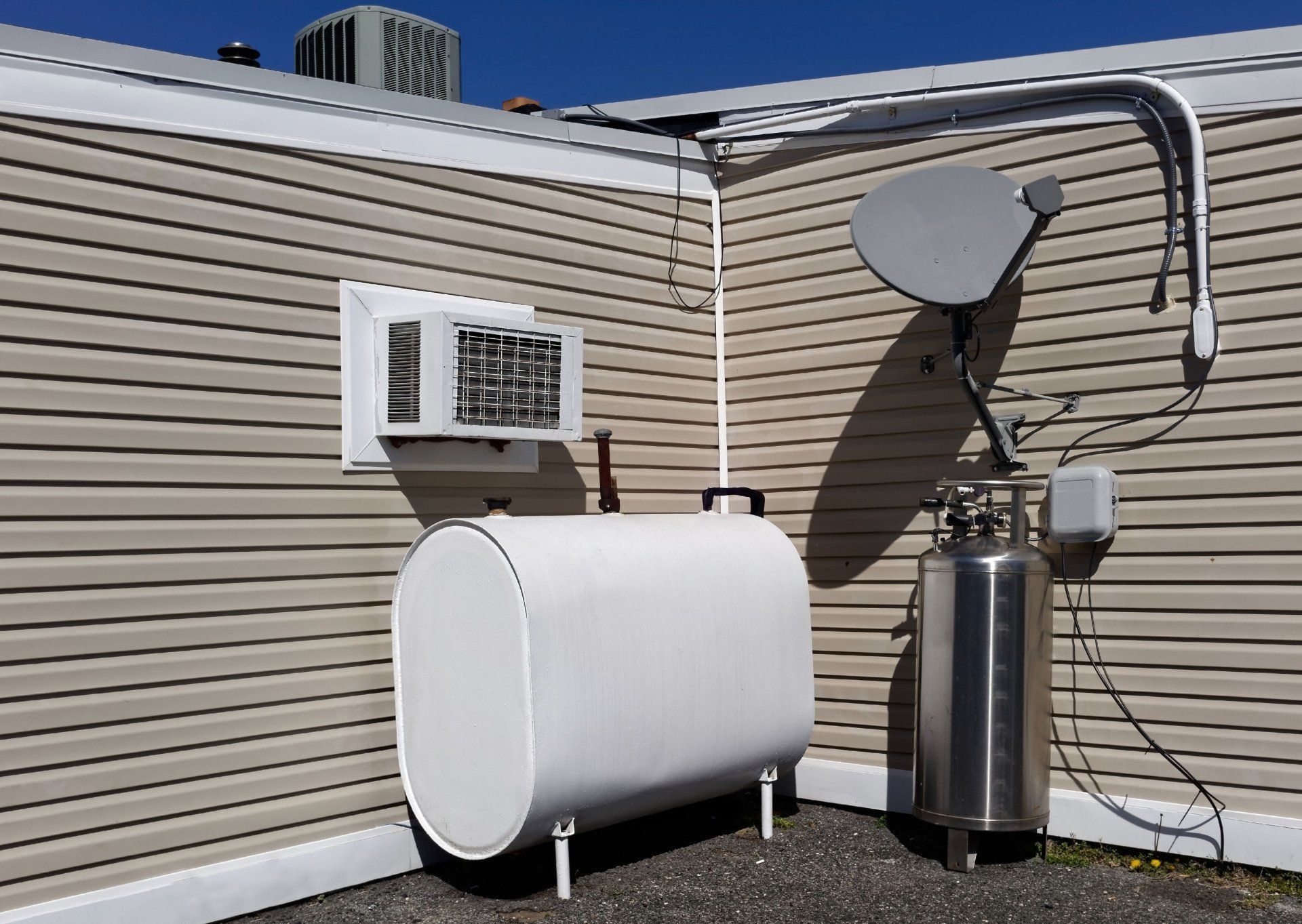
Proper storage and handling are essential for safety, efficiency, and environmental protection. Heating oil is flammable, and spills can cause contamination and property damage. Most homes using heating oil have dedicated storage tanks, typically made of steel or fiberglass. Ensuring that tanks are in good condition, properly anchored, and leak-free is crucial to prevent accidents and maintain a consistent fuel supply.
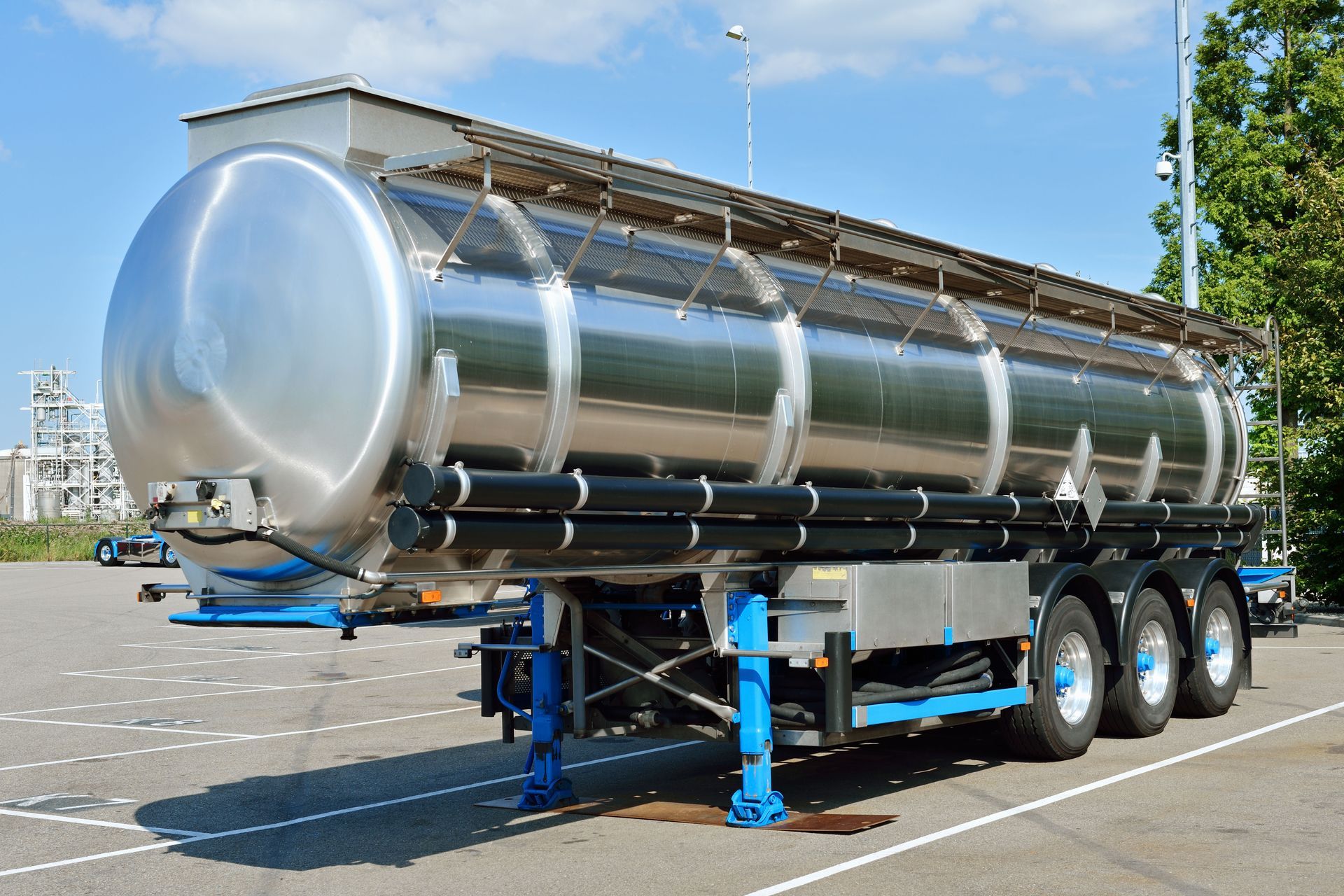
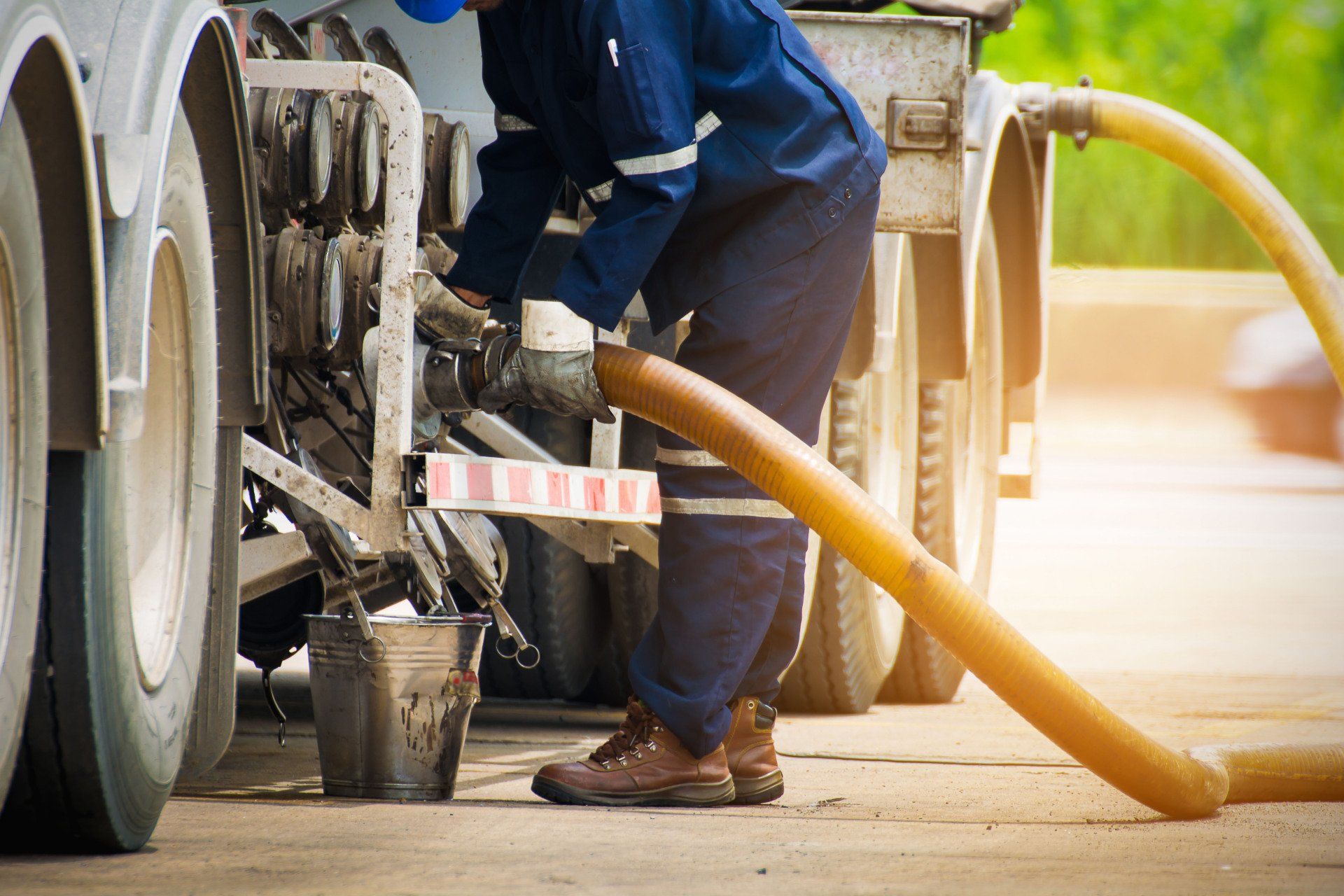
When handling heating oil, it’s important to avoid direct skin contact and inhalation of fumes. Homeowners should wear gloves and protective eyewear during transfers or maintenance tasks. Keep oil away from open flames, sparks, or heat sources, as even a small ignition can cause a dangerous fire. Many homeowners rely on professional delivery services to minimize handling risks, ensuring safe and efficient refills without exposing themselves to hazards.
Regular tank maintenance prevents water and sediment buildup, which can clog filters and reduce system efficiency. Periodic inspection and cleaning by a licensed professional prolongs the life of the heating system and prevents costly repairs. Proper storage also includes keeping tanks in a shaded, secure location and monitoring for corrosion or leaks. Following these precautions ensures uninterrupted heating throughout the winter and contributes to the overall safety of your home.
Choosing the Right Heater Oil Supplier
Selecting a reliable supplier impacts both cost and convenience. Prices fluctuate seasonally, so it’s important to work with a company that offers competitive rates, timely deliveries, and flexible payment options. Automatic delivery programs can monitor oil levels and schedule refills before you run low, preventing unexpected shortages during cold spells.
Quality matters as much as price. Reputable suppliers provide oil that burns cleanly and efficiently, reducing the risk of deposits inside the furnace or boiler and extending the system’s lifespan. According to the U.S. Energy Information Administration, 82% of U.S. households that use heating oil in the winter are in the Northeast, emphasizing the need for dependable suppliers in regions that experience harsh winter conditions. Ensuring your provider has a strong track record and local presence can prevent delays and provide peace of mind.
Consider contract terms carefully. Fixed-price plans protect against sudden market fluctuations, while “pay-as-you-go” options allow more flexibility. Understanding your household’s consumption patterns and budget helps select the plan that provides the best balance of cost savings and convenience. A trusted supplier ensures consistent access to high-quality heater oil, keeping your home warm and energy-efficient throughout the winter months.
Maintaining Your Heating System
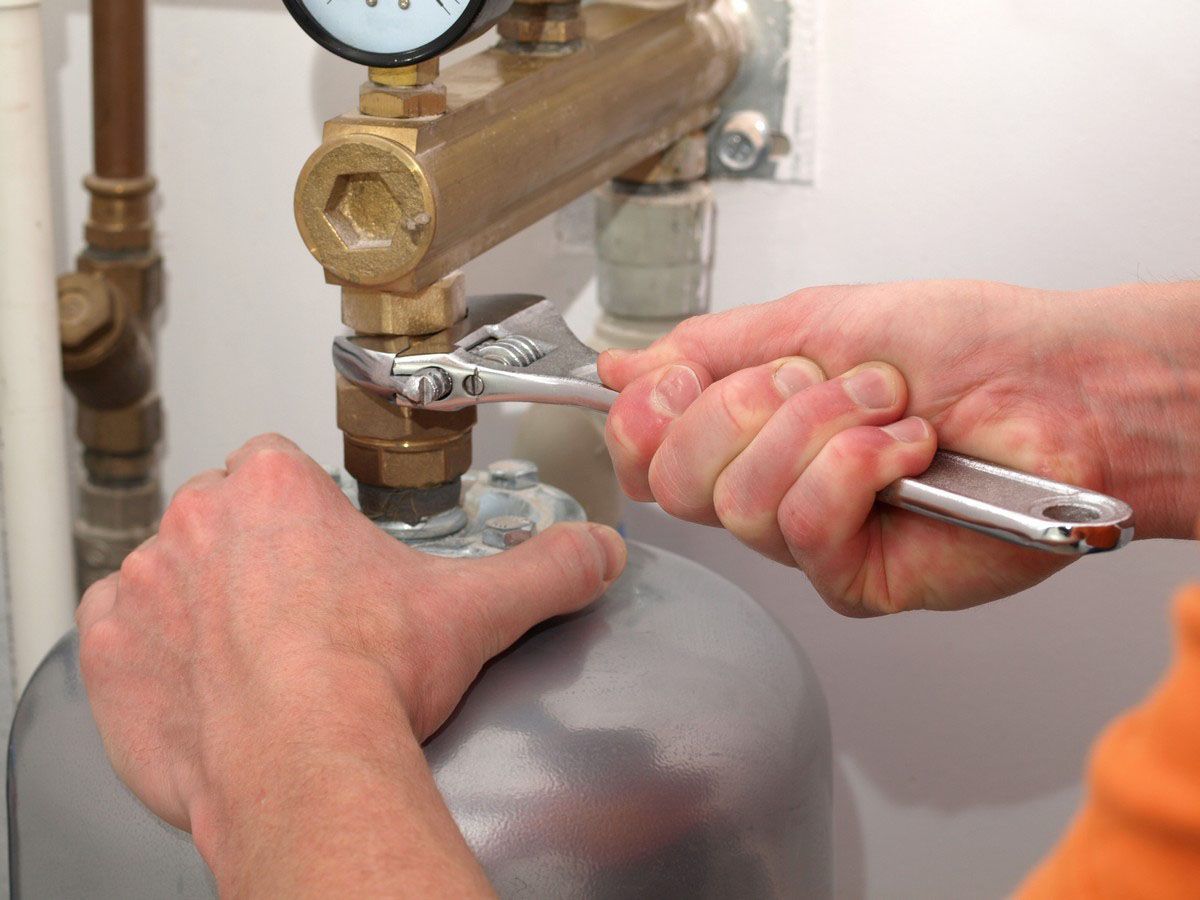
Routine maintenance is critical when using heating oil. Annual inspections check the oil filter, burner, nozzle, and heat exchanger for signs of wear or buildup. Addressing minor issues early prevents major malfunctions that could leave your home without heat during the coldest months.
Homeowners can also perform simple tasks to support system efficiency, like keeping vents and radiators clear and bleeding trapped air from radiators to prevent cold spots. Ensuring the furnace area is clean and free of debris improves airflow and helps the system operate efficiently. These small steps complement professional maintenance and extend the life of your heating equipment.
Upgrading older components can also improve performance. Modern burners are designed to maximize fuel efficiency, reducing oil consumption while maintaining optimal heat output. Programmable thermostats allow precise temperature control and scheduling, further lowering costs. Combining professional maintenance with smart daily practices ensures maximum benefit from heater oil while keeping expenses and environmental impact in check.
Maximizing Efficiency and Reducing Costs
Heating with oil can be cost-effective when approached strategically. Proper insulation—sealing gaps, adding weatherstripping, and insulating attics—reduces heat loss, which allows the system to use less oil while maintaining comfort. Even small improvements, like door sweeps or window insulation, can make a noticeable difference in energy use over a full season.
Monitoring thermostat settings is another effective strategy. Lowering the temperature slightly when rooms are unoccupied or during sleeping hours can save significantly over the winter. Zoning systems allow different areas of the home to be heated independently, avoiding wasted energy in unoccupied spaces. Combining these practices with regular maintenance ensures every gallon of heating oil is used efficiently.
Investing in energy-efficient equipment pays off in the long run. Modern oil-fired furnaces and boilers can achieve high efficiency ratings, extracting maximum heat from each gallon of oil. Routine maintenance, smart usage, and careful monitoring further reduce costs while maintaining comfort. Suppliers may also provide tips to track consumption and identify opportunities for further efficiency improvements, ensuring homeowners get the best value from their heating oil.
Heating oil remains a trusted solution for reliable home heating, offering consistent warmth and flexible storage. Safe handling, regular system maintenance, and a dependable supplier are essential for maximizing efficiency and reducing risks. By monitoring usage, investing in modern equipment, and following best practices, homeowners can enjoy the comfort of oil heating while controlling costs and minimizing environmental impact.
Count on Santilli Oil Company Inc for all your heater oil needs. Keep your home warm and comfortable no matter the weather.

Share On: